 how-to
Book Custom Home Renovation Consultation: A Step-by-Step Guide
Table of Contents
- Why Book a Custom Home Renovation Consultation First
- How to Book Your Renovation Consultation: A Practical Guide
- Home Renovation Project Checklist: What to Prepare Before Your Meeting
- Questions to Ask a Remodeling Contractor During Your Consultation
- Home Remodel Budget Planning: What to Discuss During Consultation
- Home Renovation Timeline: Understanding Project Duration and Phases
- What Happens During Your Consultation and Next Steps
- Frequently Asked Questions
Last Updated: October 12, 2026
Why Book a Custom Home Renovation Consultation First
To book custom home renovation consultation before any project is the most important decision you'll make. Homeowners who skip it and jump straight into contractor bids end up with misaligned expectations, surprise costs, and projects that miss their vision.
A consultation isn't a sales pitch. It's where you and a remodeling expert align on scope, budget, timeline, and design direction. Homeowners who invest in a thorough consultation see fewer mid-project changes, more consistent budgets, and homes they genuinely love.
When you book custom home renovation consultation, you're not committing to anything, you're gathering information and building the blueprint for what comes next.
How to Book Your Renovation Consultation: A Practical Guide
Top-ranking pages list contractors and phone numbers but skip the booking mechanics. Here's the step-by-step version.

Step 1: Build a shortlist of 2-3 contractors. Filter by project type first, not star rating, a firm that excels at whole-house structural work may be a poor fit for a cosmetic kitchen refresh.
Step 2: Choose your booking channel. Contractors accept consultations through four channels, each affecting how fast you get a slot:
- Website form, slowest, replies in one to two business days. Include project type, address, rough budget range, and target start window so the scheduler routes you correctly.
- Phone call, fastest. Have your calendar open; in-home slots often fill one to three weeks out during peak season.
- Email, good for attaching photos and inspiration images. Response time is one to three business days.
- Text or chat, common for smaller firms. Best for quick scheduling questions, not detailed project descriptions.
Step 3: Send a specific project brief. Vague inquiries get vague responses. A brief that works:
"We own a 1970s ranch in [your area]. We want to remodel the kitchen (roughly 200 sq ft), keep the original layout, replace cabinets and countertops, add an island if the footprint allows. Budget range is $40,000-$60,000. We'd like to start within six months. We have photos and a Pinterest board ready to share."
That paragraph tells the contractor your scope, size, budget band, timeline, and that you're prepared, and screens out firms that don't take projects in your range.
Step 4: Confirm the format and duration. Ask directly: Is this in-home, in-office, or virtual? Who will attend, an owner, designer, salesperson, or project manager? How long is the meeting?
Step 5: Ask about fees before you book. Policies vary widely. Common arrangements:
- Free initial consultation with a paid design agreement if you move forward.
- A flat consultation fee (often credited toward the project if you sign).
- A refundable deposit to hold a design slot.
Get the answer in writing, even a one-line email, so there's no surprise later.
Step 6: Confirm the appointment. You should receive written confirmation with date, time, address, attendee names, and a phone number for changes.
Rescheduling and cancellations. Most firms ask for 24-48 hours' notice to reschedule without a fee. If a contractor cancels more than once without a clear reason, treat that as a signal about how the project will be managed.
What happens after you book. Between booking and the meeting, the firm usually sends an intake questionnaire, a request for photos or floor plans, and sometimes a portfolio link. Fill it out, your pre-work shapes how useful the consultation is.
Home Renovation Project Checklist: What to Prepare Before Your Meeting
Walking into a consultation unprepared wastes time and makes it harder for the contractor to give accurate guidance. Preparation shows you're serious and gives them context to ask the right questions.
Gather information about your home: its age, previous major renovations, and current issues. For a kitchen or bathroom, measure the space, note the layout, and photograph it from multiple angles.
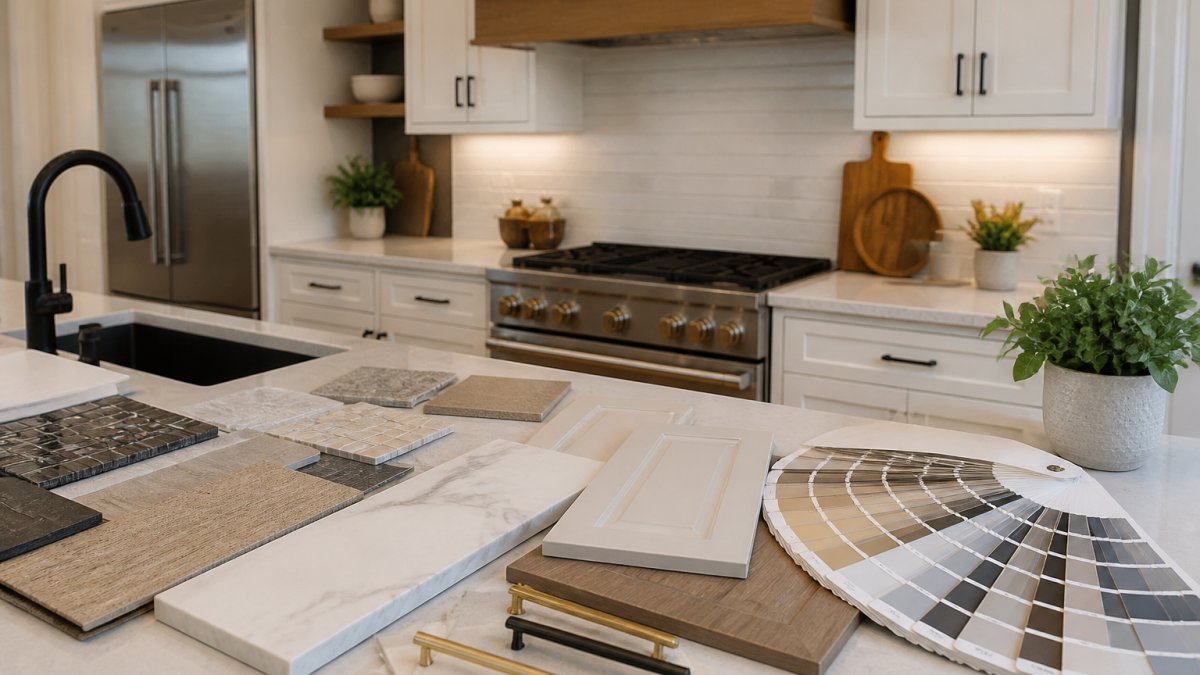
Create a folder of inspiration images from magazines, websites, and social media representing your desired style, colors, materials, finishes, and layouts. This visual reference helps the contractor understand your aesthetic.
Write down your priorities, functionality, aesthetics, durability, or budget, and list any non-negotiables. For a kitchen, do you need more counter space, better storage, updated appliances, or all three? Clarity prevents misalignment later.
Compile your budget range. You don't need an exact number, but knowing whether you're thinking $25,000 or $100,000 changes the conversation. Be honest about constraints, a good contractor will work within them or explain what's realistic.
Bring existing documentation: inspection reports, previous estimates, architectural drawings, or permits. These help the contractor identify challenges early.
Questions to Ask a Remodeling Contractor During Your Consultation
The consultation is your opportunity to evaluate whether this contractor is the right fit. Come prepared with questions that reveal their process, experience, and communication style.
Start with project experience. Ask about recent projects similar to yours and request references from homeowners with comparable work. Don't just accept names, call them and ask about communication, timeline adherence, and how unexpected issues were handled.
Explore their design process. How do they approach custom design work? Do they work with an architect or designer? How many revisions are included before construction starts? This matters especially if your home has architectural character to preserve.
Ask about the project timeline. How long do typical projects of your scope take? What factors affect duration? When could they start? Be realistic, rushing a quality renovation creates problems.
Discuss budget and costs. How do they price projects, fixed bids or cost-plus? How are change orders handled? What's included in the estimate, and what costs extra? This prevents the hidden-cost surprises that damage contractor-client relationships.
Ask about communication. How often will you receive updates? Who's your primary point of contact? How are questions handled during construction? Clear expectations set both parties up for success.
Home Remodel Budget Planning: What to Discuss During Consultation
Budget is often the most stressful part of renovation planning. A good consultation clarifies what your money actually buys and helps you make informed trade-offs.
During your consultation, discuss the full scope of costs. Materials, labor, permits, inspections, debris removal, and contingency reserves all factor into the total.
Talk about contingency. Renovations often uncover hidden structural damage, outdated wiring, or materials that need replacement. A contingency reserve (typically 10-20% of the project budget) protects you from being blindsided. Discuss how it's managed and when it gets deployed.
Explore value trade-offs. If your budget is fixed, where does quality matter most? High-end appliances versus semi-custom cabinetry? Premium tile versus standard finishes? A contractor with custom home renovation experience helps you allocate resources strategically.
Ask about payment schedules. How are payments structured? Is a deposit required upfront? What triggers each payment milestone? Transparent terms protect both you and the contractor.
Discuss financing options if needed. Some contractors work with lending partners. If you're financing the renovation, understanding available options during the consultation helps you plan accordingly.
Home Renovation Timeline: Understanding Project Duration and Phases
Project duration varies dramatically based on scope. A bathroom remodel might take 4-8 weeks. A kitchen renovation typically runs 8-12 weeks. A whole-house project or major structural addition could take several months. Understanding realistic timelines prevents frustration and helps you plan your life around the project.
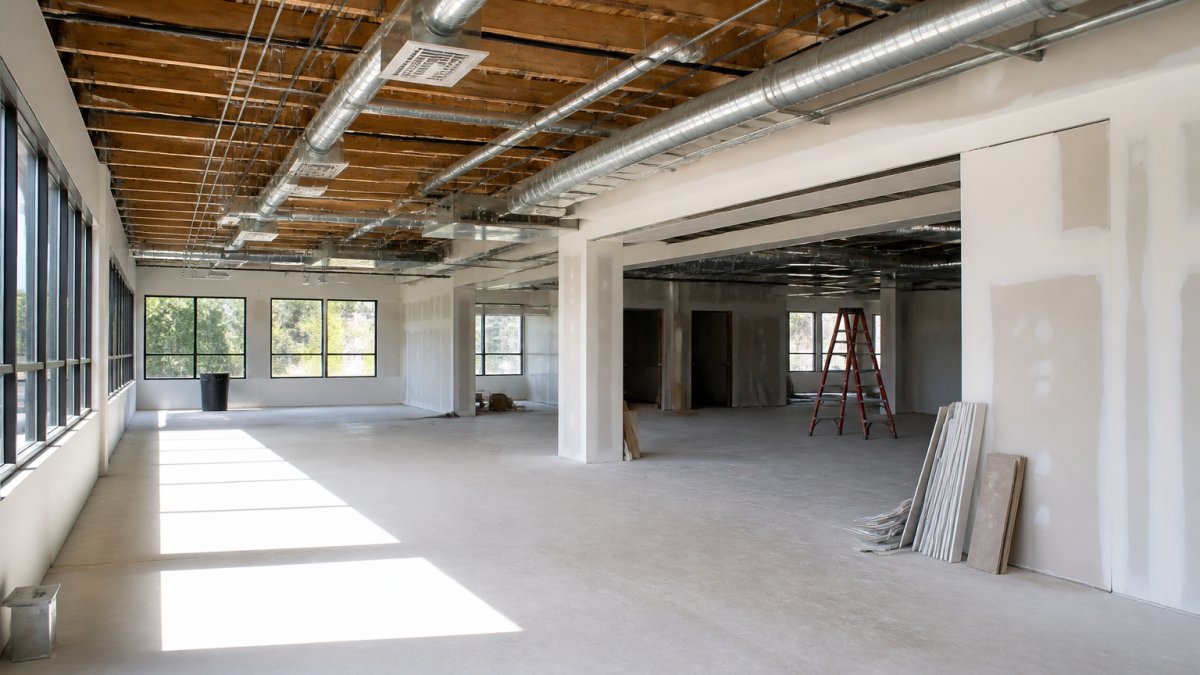
During your consultation, ask the contractor to walk you through the project phases. Most renovations follow a similar sequence: demolition, structural work, MEP (mechanical, electrical, plumbing) rough-in, drywall and finishing, and final installation. Each phase has dependencies, and delays in one cascade through the rest.
Discuss what affects timeline. Material lead times, weather, permit delays, and unexpected structural issues all impact duration. A contractor should explain which factors they control and which they don't.
Ask about schedule specifics. Will work happen daily, or are there off-days? What are typical working hours? How does the contractor manage debris removal and site cleanup? These logistics affect your daily life during renovation.
Clarify how changes impact timeline. If you upgrade materials or modify scope mid-project, how does that affect the schedule? Understanding this prevents disputes later.
What Happens During Your Consultation and Next Steps
Almost no ranking page answers what actually happens in the room. Here's a realistic agenda for a 90-minute in-home consultation, based on how most established remodeling firms run them.
Minutes 0-10, Introductions and expectations. The contractor or designer arrives, confirms who is present, and states what the meeting will and will not cover.
Minutes 10-30, Discovery conversation. Expect questions, not a pitch. Typical questions include:
- What's not working about the current space?
- Who lives here, and how will the space be used day to day?
- What's your target start date and completion date?
- What's your budget range, and is it flexible?
- Have you worked with a contractor before? How did that go?
- Are there any non-negotiables, a wall that stays, a finish you love, a piece of furniture that must fit?
Answer honestly. Contractors calibrate recommendations to your answers, and a vague answer produces a vague proposal later.
Minutes 30-60, Walkthrough and measurements. The contractor tours the space, takes measurements, and notes existing conditions: ceiling height, window and door placement, wall construction, electrical panel capacity, plumbing locations, and any signs of water damage, settling, or outdated wiring.
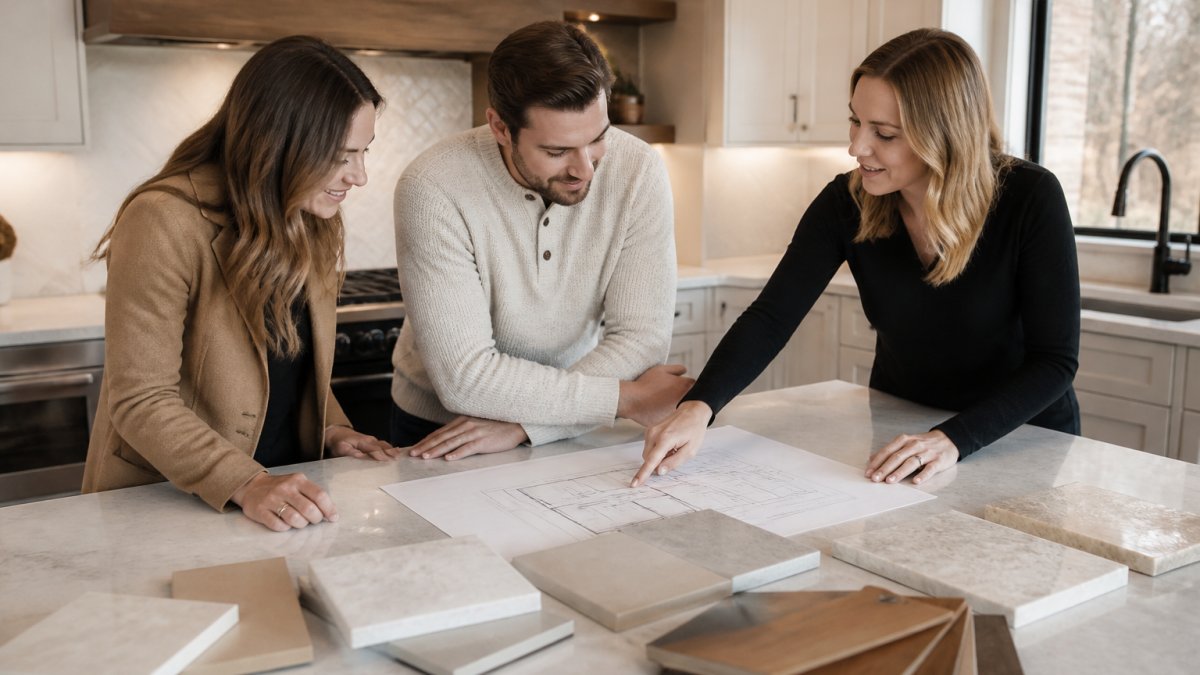
Minutes 60-80, Preliminary discussion and options. The contractor shares initial reactions: what's feasible, what's expensive, what alternatives exist. They may sketch on a notepad or pull up similar past projects on a tablet. You should hear trade-offs, not just enthusiasm.
Minutes 80-90, Next steps and deliverables. Before the contractor leaves, you should have clear answers to these questions:
- Will you receive a written estimate or proposal? When?
- What will it include, line-item pricing, allowances, a scope narrative, a timeline?
- Is there a fee for the proposal or for design work that follows?
- What information do you still need to provide (photos, measurements, HOA rules, financing details)?
- When should you expect a follow-up call?
Typical follow-up windows: a ballpark range within 3-5 business days, a formal written proposal within one to three weeks depending on scope and whether design work is involved.
How to evaluate what you heard. After each consultation, score the contractor on four things while it's fresh:
- Did they listen more than they talked? A firm that spent 80% of the meeting pitching is selling, not planning.
- Did they ask about budget early? Contractors who avoid the money conversation until after design work often produce proposals that don't fit your range.
- Did they name specific constraints? Real expertise shows up as specific observations about your home, not generic praise.
- Was the follow-up timeline clear? Vague promises ("we'll get back to you soon") are a preview of project communication.
After the consultation. Within 24 hours, write a one-page summary of what you discussed, what you liked, and what concerned you.
Frequently Asked Questions
How do I book a home renovation consultation?
Contact a remodeling contractor directly through their website, phone, or email to request a consultation. Most contractors offer free initial consultations. Be ready to describe your project scope, preferred timeline, and budget range. Many contractors ask basic questions upfront to determine if they're a fit before scheduling. Confirm the date, time, and whether the contractor will visit your home in person or conduct a virtual meeting.
What should I prepare before meeting with a remodeling contractor?
Gather photos of your current space, any design inspiration images, measurements of the area being renovated, and a list of must-haves for your project. Have your budget range ready and note any structural concerns you've noticed. Create a written list of questions and priorities. If you have existing architectural plans or building permits, bring those too. Clear the space so the contractor can access all areas they need to evaluate.
Are home renovation consultations free?
Most initial consultations are free and allow you to discuss your project, ask questions, and get a sense of the contractor's approach. Some contractors may charge a consultation fee if the project requires extensive design work or detailed site analysis. Always ask upfront whether there's a fee.
What questions should I ask at a renovation consultation?
Ask about the contractor's experience with your specific project type, timeline expectations, how they handle budget changes, warranty and guarantees, communication frequency, and references from recent projects. Inquire about their process for managing unexpected issues, whether they handle permits, and how they manage debris removal and site cleanup. Ask about their team's qualifications and whether they work with subcontractors. Request a clear breakdown of costs and payment schedule before committing.